


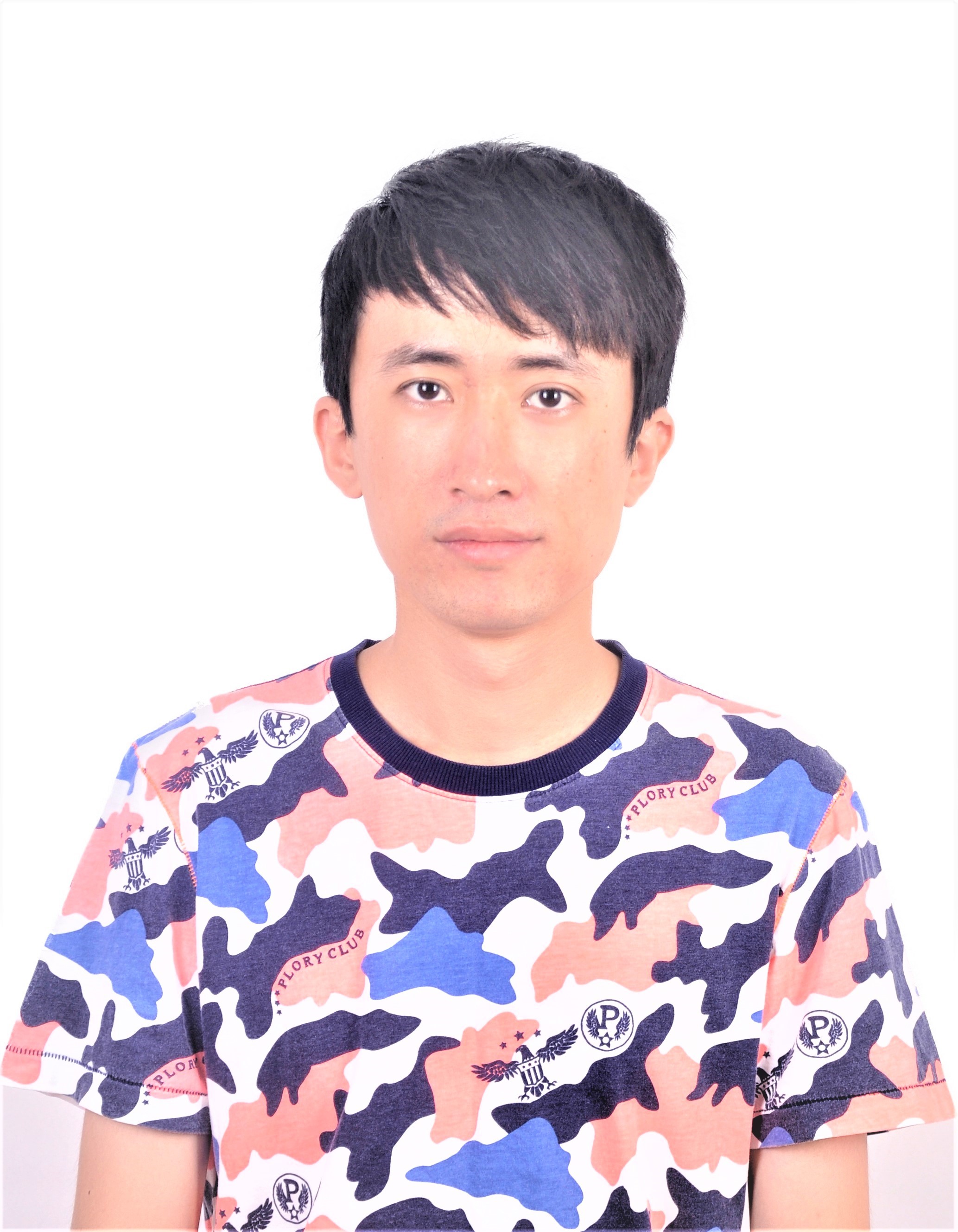
Dr. Li Zhang
 lizhang@jnu.edu.cn
 86-020-85227086

lizhang@jnu.edu.cn
86-020-85227086
Brain is highly intercorrelated with peripheral organs via blood-borne metabolites, cytokines and hormones. In my group, the long-term goal is to dissect the peripheral-central axis under both physiological and pathological conditions, and to develop potential drug targets or non-drug strategies against brain disorders. Currently, my group mainly focus on 2 research themes:
(1) The neural basis of aerobic exercise in alleviating mental or cognitive disorders. Physical exercise is one effective approach improving brain health, whilst our understanding for its neurobiological mechanisms remains incomplete. My research group is working at molecular, cellular and circuitry layers to explore how chronic exercise rebuilds the brain homeostasis. In particular, exercise-mediated peripheral factors (exerkines) are being investigated to reveal their roles in mediating both glial and neuronal functions, leading to the recovery from brain disorders.
(2) The participation of gastrointestinal hormones in brain functions. GI tract is the primary site for substance exchange with external environment. In recent decades, metabolites, cytokines and hormones from GI tissues have been found to actively regulate brain nuclei. My group mainly focus on GI peptide hormones, and plan to establish the gut-brain axis by which those hormonal factors transduce internal or external stimuli into the brain for executing physiological or cognitive behaviors.
BSc (1st class honors), the University of Hong Kong, 2009
PhD, the University of Hong Kong, 2014
(# Corresponding authors)
1. (2022) In vivo neuronal and astrocytic activation of somatosensory cortex by acupuncture stimuli. Cheng X#, Chen K#, Cheng T, Lai PT, Zhang L#, So KF#, Yang ES#. Neural Regeneration Research. 17(11):2526-2529. doi: 10.4103/1673-5374.339003 (IF=5.14)
2. (2021) Physical exercise rescues cocaine-evoked synaptic deficits in motor cortex. Cheng T, Huang X, Hu X, Wang S, Wei J, Yan L, So KF, Yuan TF#, Zhang L#. Molecular Psychiatry. 26(11):6187-6197. doi: 10.1038/s41380-021-01336-2 (IF=15.99)
3. (2021) A Functionalized Octahedral Palladium Nanozyme as a Radical Scavenger for Ameliorating Alzheimer’s Disease. Jia Z, Yuan X, Wei J, Guo X, Gong Y, Li J, Zhou H, Zhang L*, Liu J*. ACS Applied Materials & Interfaces. doi: 10.1021/acsami.1c06687 (IF=9.23)
4. (2021) Treadmill Exercise Relieves Chronic Restraint Stress-induced Cognitive Impairments in Mice Via Activating Protein Phosphatase 2A. Zhang W, Ou H, Zhang B, Zheng M, Yan L, Chen Y, So KF#, Zhang L#. Neuroscience Bulletin. 37(10):1487-1492. doi: 10.1007/s12264-021-00766-w (IF=5.20)
5. (2021) Electroacupuncture activates inhibitory neural circuits in the somatosensory cortex to relieve neuropathic pain. Wei J#, Hu X#, Zhang B, Liu L, Chen K, So KF, Li M#, Zhang L#. iScience. 24(2):102066. doi: 10.1016/j.isci.2021.102066 (IF=5.46)
6. (2019) Exercise training improves motor skill learning via selective activation of mTOR. Chen K, Zheng Y, Wei J, Ouyang H, Huang X, Zhang F, Lai CSW, Ren C, So KF#, Zhang L#. Science Advances. 5(7):eaaw1888. doi: 10.1126/sciadv.aaw1888 (IF=14.14)
7. (2019) Corticosterone-mediated microglia activation affects dendritic spine plasticity and motor learning functions in minimal hepatic encephalopathy. Sun X, Han R, Cheng T, Zheng Y, Xiao J, So KF#, Zhang L#. Brain Behavior and Immunity. 82:178-187. doi: 10.1016/j.bbi.2019.08.184 (IF=7.22)
8. (2019) Activation of cortical somatostatin interneurons rescues synapse loss and motor deficits after acute MPTP infusion. Chen K, Yang G#, So KF#, Zhang L#. iScience. 17:230-241. doi: 10.1016/j.isci.2019.06.040 (IF=5.46)
9. (2017) Treadmill exercise suppressed stress-induced dendritic spine elimination in mouse barrel cortex and improved working memory via BDNF/TrkB pathway. Chen K, Zhang L, Tan M, Lai CSW, Li A, Ren C#, So KF#. Translational Psychiatry. 7(3):e1069. doi: 10.1038/tp.2017.41 (IF=6.22)
10. (2014) The knockout of secretin in cerebellar Purkinje cells impairs mouse motor coordination and motor learning. Zhang L, Chung SK, Chow BKC*. Neuropsychopharmacology.39(6):1460-8. doi: 10.1038/npp.2013.344. (IF=7.85)
